
(Companion to Podcast Episode S1E6: “Mastering Mid-Run Fueling”)
Fueling for half marathon training is one of the most important factors that determines whether you run strong, avoid bonking, and finish your race feeling confident. When runners hit the wall at mile 8, 9, or 10 of a half marathon, it isn’t because they’re not fit enough — it’s because they’re out of fuel. The sudden crash, heavy legs, brain fog, and rapid pace slowdown? That’s glycogen depletion, and it’s completely preventable with proper mid-run fueling.
This complete guide shows you exactly how to fuel during long runs and race day, what gels to use, how much to take, why stomach issues happen, and how to avoid bonking forever.
This post contains affiliate links. If you make a purchase through these links, we may earn a small commission at no extra cost to you. Thanks for supporting the site — it helps keep this free training resource running!
🧰 Runner-Favorite Fueling Essentials
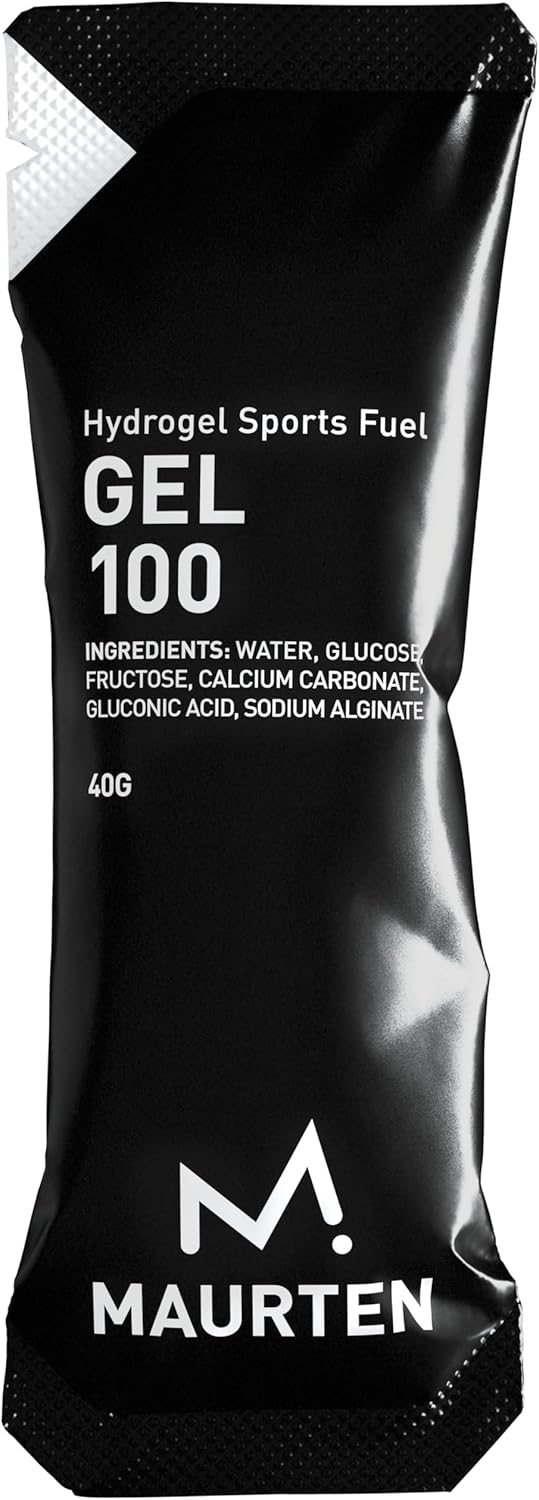 | Maurten Gel 100 / 160 Hydrogel formula with dual carbs (glucose + fructose). Fast absorption with minimal stomach distress. Check price on Amazon → |
 | Huma Chia Energy Gels All-natural, gentle on sensitive stomachs, steady energy release. Check price on Amazon → |
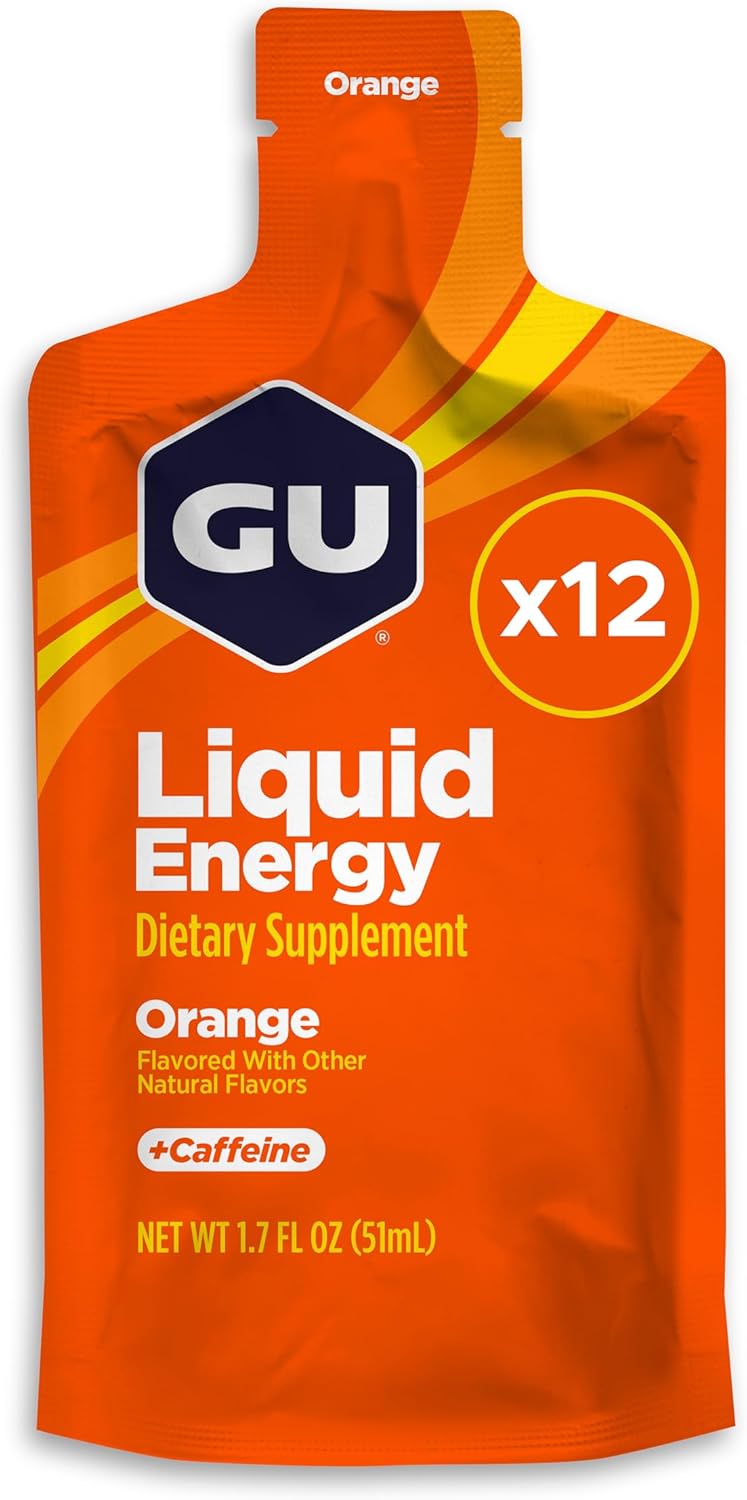 | GU Roctane Energy Gel High sodium + caffeine options make these ideal for late-race surges. Check price on Amazon → |
⭐ Why Mid-Run Fueling Matters
Your body stores approximately 90 minutes of run-ready glycogen.
After that, performance drops sharply:
- Pace slows
- Legs feel heavy
- Thinking becomes foggy
- Form breaks down
- Perceived effort skyrockets
This is the classic bonk.
🚀 The good news?
Taking simple carbohydrates (gels, chews, carb drink mixes) at the right time keeps glycogen available and eliminates the bonk entirely.
🍬 What Energy Gels Actually Do
During running, your digestive system slows down — so your fuel must be:
- Quick to absorb
- Easy on the stomach
- High in simple carbs
- Low fiber, low fat
- Portable and fast
Energy gels are designed exactly for this purpose.
Bars, bananas, peanut butter, and “healthy snacks” do not absorb fast enough during hard running.
🔬 The Science: Glucose vs Fructose
Your gut uses two different carb transporters:
1️⃣ SGLT1 — absorbs glucose
- Max capacity: ~60 g/hour
2️⃣ GLUT5 — absorbs fructose
- Max capacity: ~30 g/hour
If you use a glucose-only gel (very common), your gut hits the limit fast → “traffic jam” → nausea → cramps → urgent bathroom stops.
✔ Best practice:
Use dual-fuel gels containing glucose + fructose.
These activate two separate absorption pathways, raising total capacity to ~90 g/hour with far fewer stomach problems.
⚠️ Why Runners Bonk
When glycogen levels fall too low:
- Your brain slows down
- You can’t fire muscles efficiently
- Fatigue skyrockets
- Running economy drops
- Pacing collapses
It’s not mental weakness — it’s biology.
🧪 How Many Carbs You Need
Easy runs (<60 min):
No fueling needed.
Long runs (60–120 min):
➡️ 30–60 g carbs per hour
Half marathon race pace:
➡️ 45–90 g carbs per hour
(90 g requires glucose + fructose combo)
Elite runners:
➡️ 80–120 g/hour
🧂 Why Sodium Is Essential
Sodium helps:
- Maintain blood volume
- Improve carb absorption
- Support nerve/muscle firing
- Prevent hyponatremia
- Reduce cramping
Gels without sodium should be paired with electrolyte drinks or salt caps.
☕ Caffeine Timing
Caffeine enhances:
- Alertness
- Fat oxidation
- Neuromuscular efficiency
- Late-race performance
Best timing:
- Pre-race: 60 minutes before
- Late race: mile 10–11 for half marathon
Avoid taking caffeine too early.
🧩 How to Train Your Gut (This Solves Most GI Issues)
GI distress doesn’t mean your body “can’t handle gels.”
It means your gut needs practice.
During long runs:
- Use the same gels you’ll race with
- Use the same timing you’ll race with
- Drink water with gels
- Start at 30 g/hr, work up to 60–90 g/hr
Your gut adapts like any other system.
🗺️ Half Marathon Fueling Plan (Example)
For 2-hour runners (common):
- Minute 45 / Mile 4 → First gel
- Minute 90 / Mile 8 → Second gel
- Mile 11 → Caffeinated gel for finish kick
For 1:45 runners:
- ~35–40 min
- ~1:15
- Optional late-race caffeine
For 2:20+ runners:
Fuel every 40–45 minutes consistently.
❌ Common Fueling Mistakes
- Waiting too long to take the first gel
- Using glucose-only gels
- Taking gels without water
- Not consuming enough sodium
- Not practicing in training
- Trying new products on race day
- Eating solid food mid-run
🔥 Best Energy Gels for Runners
- Maurten Gel 100/160 (dual-fuel hydrogel)
- Huma Chia Gels (gentle on stomachs)
- GU Roctane (sodium + caffeine options)
- SIS Isotonic Gels (can use without water)
- Tailwind Endurance Fuel (drink mix alternative)
🎧 Listen to the Podcast Episode
Training for a Half Marathon?
Download our Free 14-Week Half Marathon Training Plan. It’s evidence-based and designed to prevent injury.
Download for Free here ➜🏁 Final Takeaway
Mid-run fueling isn’t optional for half marathon runners — it’s the key to steady pacing, strong finishes, and avoiding the dreaded bonk. Proper fueling for half marathon pacing means taking in 30–60 grams of carbs per hour, choosing dual-source gels, and practicing your strategy during long runs.
Choose the right gels, fuel early, fuel consistently, and practice your strategy during long runs.
Train Smart. Run Strong. Finish Proud.