Quick Summary: The “Runner’s Survival Kit”
Don’t have time to read the science? Here is the complete Beginner Running Gear Checklist Coach Chris recommends for 2026.
- The Watch: Garmin Forerunner 55 (The “Truth Teller”)
- The Shoe: Brooks Ghost 16 (The “Comfort King”)
- The Hydration: Skratch Labs Daily Electrolytes (No chemical junk)
- The Socks: Balega Hidden Comfort (Blister-proof)
- The Anti-Chafe: BodyGlide Original (Shower essential)
🏆 The 2026 Resolution Starter Kit
Don’t wait until January 1st. If you don’t have the gear, you won’t start. Here are the 3 essentials to order this weekend.

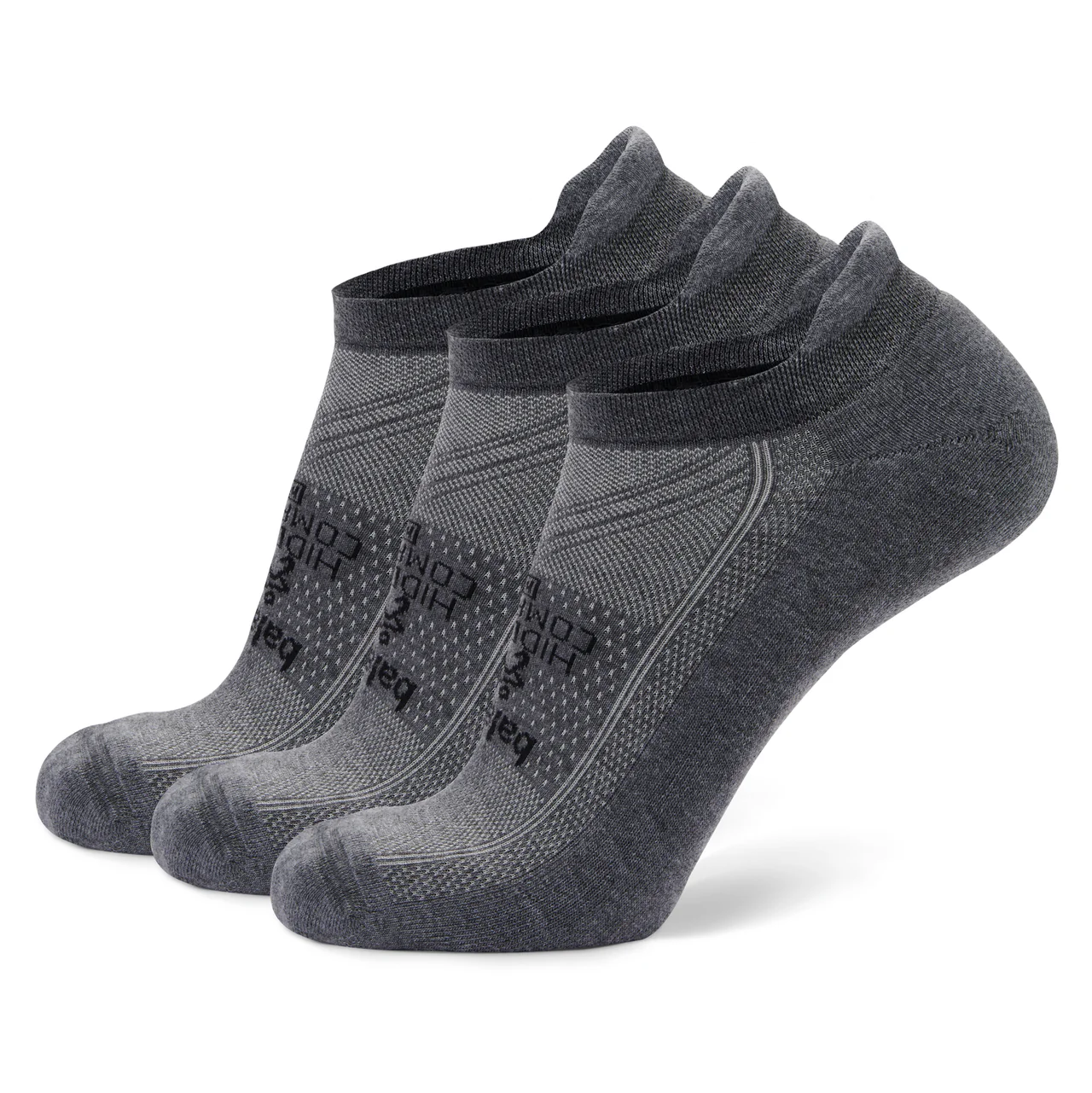
Balega Hidden Comfort
Synthetic blend prevents the #1 quitter cause: blisters.
Check Price
We earn a commission if you click this link and make a purchase at no additional cost to you.
If you just signed up for your first half marathon, you have likely visited a running store and felt immediately overwhelmed. Between the $250 carbon-plated shoes, the $800 titanium watches, and the endless wall of massage guns, it feels like you need a small fortune just to run a 5K.
You don’t.
In fact, buying “Pro” gear can often make a beginner slower and more injury-prone. However, running is not entirely free. While you don’t need the most expensive gear, you do need the right gear to solve specific physiological problems.
In this guide, we break down the Essential Gear Checklist using the same science discussed in Episode 8.
1. The GPS Watch: Your “Safety Tool”
- Recommendation: Garmin Forerunner 55
- The Scientific Why: Avoiding the “Black Hole” of Training.
Most beginners treat a GPS watch as a fun gadget to track miles. Physiologically, it is actually a safety tool designed to save you from yourself.
Research by Dr. Stephen Seiler on training intensity distribution shows that most recreational runners naturally gravitate toward “Zone 3” training. This is a pace that feels “moderately hard”—it leaves you sweaty and tired, so it feels like a good workout.
But physiologically, it’s a trap. We call this the “Black Hole.” It is too intense to allow your mitochondria to multiply (aerobic base building), but not intense enough to build top-end speed. You accumulate fatigue without the fitness gains.
💡 Science Deep Dive: The “RPE” Failure Why can’t you just run by feel? Studies show that beginners have poor “Rate of Perceived Exertion” (RPE).
When you run without a watch, your brain releases dopamine, masking the accumulation of lactate in your blood. You might feel fine, but your body is chemically stressing itself. A GPS watch acts as an objective biofeedback loop, forcing you to slow down so you stay in the “Green Zone” where actual endurance is built.
The Fix: You need a watch that beeps at you when you go too fast. The Garmin Forerunner 55 is the industry standard because it strips away the complex metrics you don’t need and focuses on the one you do: accurate heart rate monitoring.
Read our in-depth guide on running watches here
2. The Shoes: The “Comfort Filter”
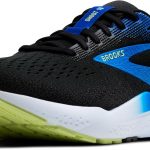
- Recommendation: Brooks Ghost 16
- The Scientific Why: The Preferred Movement Path.
For decades, runners were told they needed “Stability” or “Motion Control” shoes to fix their pronation. The idea was that your foot was “broken” and the shoe needed to force it straight.
Modern science proves this wrong.
In 2015, biomechanist Dr. Benno Nigg published a landmark paper proposing the “Comfort Filter” paradigm. His team found that prescribing shoes based on arch height (high vs. flat) did not reduce injuries. However, when runners selected a shoe based purely on “Subjective Comfort,” injury rates dropped significantly.
💡 Science Deep Dive: The “Preferred Movement Path” Your skeleton has a unique way it wants to move. This is your “Preferred Movement Path.”
When you wear a stiff, corrective shoe that tries to force your foot straight, your muscles have to fight against the shoe with every step. This increases muscle activation and fatigue, leading to shin splints and knee pain.
When you wear a shoe that feels “invisible” (comfortable), your muscle activation drops, and your body moves efficiently.
This is why we recommend the Brooks Ghost. It is a neutral daily trainer that doesn’t try to “fix” you—it simply cushions the landing so your body can move the way it wants to.
Read our guide on the best running shoes for beginner half marathon training here
3. The Hydration: Why Water Isn’t Enough
- Recommendation: Skratch Labs Hydration
- The Scientific Why: Neuromuscular Function.
If you are sweating for more than 60 minutes, drinking plain water can actually be dangerous. As you sweat, you lose electrolytes (sodium, potassium, magnesium). If you replace that fluid with pure water, you dilute the remaining sodium in your blood.
This leads to a condition called Hyponatremia. Before it gets dangerous, it gets annoying. Low sodium disrupts the electrical signals between your nerves and muscles.
The result? Twitching, cramping, and the dreaded “heavy legs” feeling.
We prefer Skratch Labs because it uses real sugar and fruit for absorption, matching the sodium profile of actual human sweat without the chemical aftertaste of diet sodas.
The “Stocking Stuffers” (The Unsung Heroes)
These items are cheap, but running without them is miserable.
4. The Socks: Balega Hidden Comfort
The Problem: Cotton is a sponge. It absorbs sweat and holds wet fabric against your skin. Wet skin + Friction = Blisters. The Fix: Balega Socks. These are synthetic (mohair blend) and pillowy. They wick moisture away from the foot, keeping the skin dry even on a 10-mile run.
5. The Anti-Chafe: BodyGlide
The Problem: Salt crystals from your sweat act like sandpaper. On a long run, skin-on-skin friction causes microscopic tears (chafing). The Fix: BodyGlide. Apply it like deodorant before you run. Trust us—you do not want to discover chafing when the hot water hits it in the shower.
6. The Belt: FlipBelt Classic
The Problem: Holding a phone in your hand creates a muscular imbalance. It tightens one shoulder and throws off your arm swing, which travels down the chain to your hips. The Fix: A FlipBelt holds your phone tight against your center of gravity (your waist), so it doesn’t bounce and your hands stay relaxed.
The “Skip List” (Save Your Money)
Don’t buy these until you have been running for at least a year.
- Carbon-Plated “Super Shoes”: These are designed for speeds faster than 7:00/mile. If you run slower than that, the stiff plate can actually increase stress on your calves and plantar fascia.
- Massage Guns: They feel nice, but a $15 foam roller is arguably more effective for mobilizing tissue and improving blood flow.
- The Treadmill: Unless you live in extreme climates, run outside. The variability of the road strengthens your stabilizer muscles in a way the treadmill belt cannot.
Final Thoughts
Running is simple, but the marketing is complicated. Start with the Watch (for safety), the Shoes (for comfort), and the Fluids (for chemistry). Everything else is just noise.
Listen to the full breakdown on the Half Marathon Training Plan Podcast (Episode 8).
Training for a Half Marathon?
Download our Free 14-Week Half Marathon Training Plan. It’s evidence-based and designed to prevent injury.
Download for Free here ➜Disclaimer: This article contains affiliate links. We may earn a small commission if you purchase through them, at no extra cost to you. We only recommend gear we personally use and trust.